German China
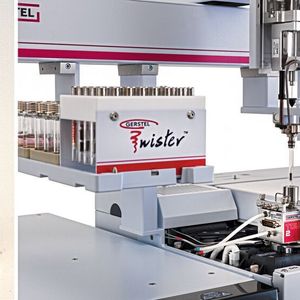
Supercritical fluid extraction is an area of growing interest and CO2 is the most common supercritical fluid used in SFE procedures as a replacement for traditional hexane use. (Source: Scimed)
Green Solvents

How Sustainable is Your Lab?

Green solvents, such as supercritical CO2, can replace harmful organic solvents in laboratories. Many sustainable lab methods will be showcased at Lab Innovations 2023 which is scheduled to take place from November 1–2 at the NEC, Birmingham in the United Kingdom.

Read on
Big dogs tend to age faster than small dogs. Now, we know why. A new study led by researchers at Arizona State University offers the first compelling molecular explanation of why large dogs live shorter lives: the answer may lie in how hallmarks of aging reshape dog DNA. 
 (Source: Charlie Leight, Arizona State University)
Understanding Aging

Why Big Dogs Age Faster

Why do large dogs tend to live shorter lives? A study of 864 dogs links body size to faster loss of DNA methylation at regions containing “jumping genes”. The findings offer a possible molecular explanation for differences in canine ageing, although whether these changes help drive ageing remains unclear.

Read on

Fig.1: Accurate pH Measurement in the Laboratory (Source: METTLER TOLEDO AG)
Electro Chemistry

Measuring Negative pH: Is It Really Possible?

Although the pH scale traditionally ranges from 0 to 14, highly concentrated acids can have negative pH values. Accurately measuring these extremes poses technical challenges for standard electrodes. This article explains how specialized sensors and modern methods enable reliable measurements in such chemical extremes.

Read on

Galleries

(From left) Associate Professor Tim Jarome works with seniors Harshini Venkat and Keira Currier at his lab in the School of Animal Sciences, where they collect protein samples for a Western blot. 

 (Source: Marya Barlow/ Virginia Tech)
Neuroscience

Scientists Find Ways to Boost Memory in Aging Brains

New research from Virginia Tech identifies key molecular changes behind age-related memory loss — and shows they can be reversed. By targeting specific brain processes with advanced gene-editing tools, scientists improved memory performance in older animals, opening new possibilities for dementia research.

Read on